Healthcare is undergoing a major shift. Hospitals are moving beyond paper-based records and disconnected systems to create connected, data-driven environments that improve patient outcomes and operational efficiency.
Digital transformation is no longer a future goal; it has become a necessity. According to sources, 96% of non-federal acute care hospitals had adopted certified electronic health record (EHR) systems by 2021. From electronic patient records to predictive care powered by artificial intelligence, technology is transforming how hospitals deliver care, streamline operations and make clinical decisions. This blog explores how digital transformation is reshaping modern hospitals and the role of data-driven insights in enabling more efficient operations and proactive patient care.
What is Digital Transformation in Healthcare?
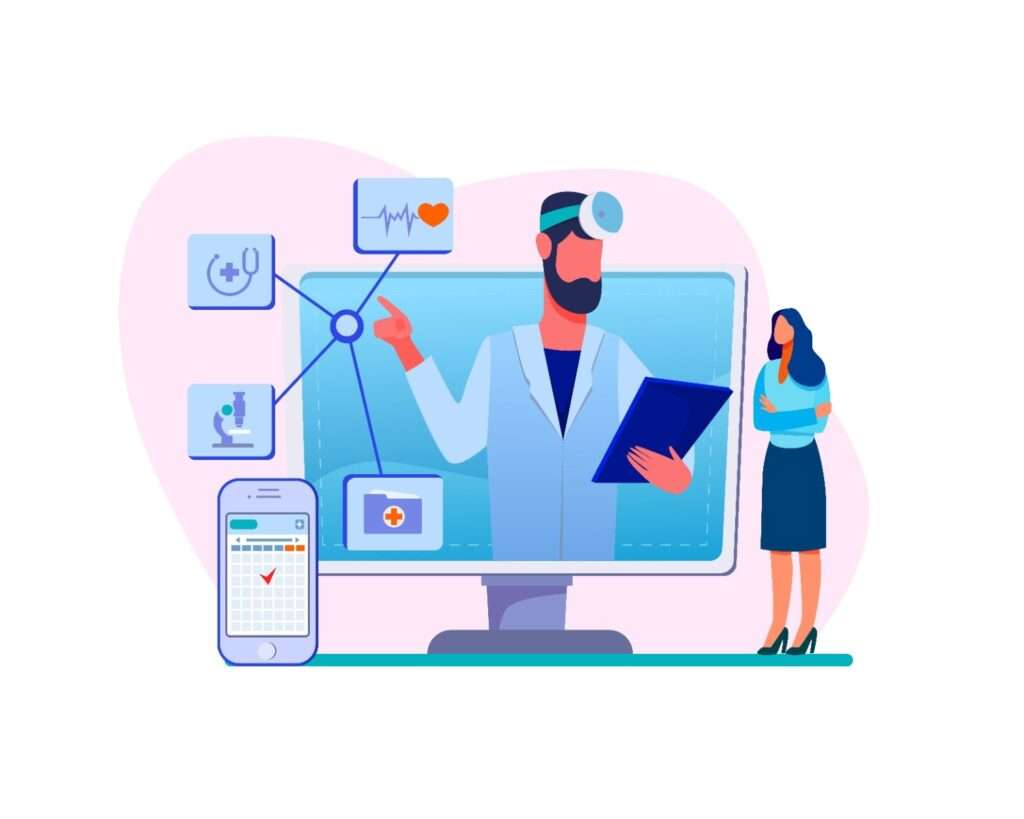
Digital transformation in healthcare refers to the adoption of modern technologies that improve clinical, administrative and operational processes.
This includes:
- Electronic Health Records (EHR)
- Hospital Information Systems (HIS)
- Data analytics and business intelligence
- Cloud computing
- Mobile healthcare applications
- Artificial Intelligence (AI)
- Automation and workflow management
- Telemedicine platforms
The goal is simple: improve patient care while making healthcare operations more efficient.
The Evolution from Paper Records to Electronic Health Records
For decades, hospitals relied heavily on paper-based patient records. These systems often led to delays, duplication of information, lost files and increased administrative burden.
Electronic Health Records (EHRs) changed this approach by creating a centralized digital repository for patient information.
With EHR systems, healthcare professionals can:
- Access patient histories instantly
- View laboratory and diagnostic reports in real time
- Reduce medication errors
- Improve care coordination across departments
- Maintain accurate patient documentation
Digital patient records create a strong foundation for every hospital’s digital transformation journey.
Why Hospitals Need Digital Transformation
Healthcare organizations are under increasing pressure to deliver high-quality care while managing growing operational demands. Digital transformation has become essential for addressing several key challenges facing modern hospitals.
Rising Patient Volumes
Growing populations and increasing healthcare demands are putting pressure on hospitals to serve more patients with limited resources. Digital tools help streamline workflows, reduce wait times and improve care delivery at scale.
Data Silos
Patient information is often scattered across multiple departments and systems, making it difficult for clinicians to access a complete medical history. Integrated digital platforms enable seamless data sharing and better-informed clinical decisions.
Operational Inefficiencies
Many hospitals still rely on manual processes for scheduling, documentation and administrative tasks. Digital solutions automate routine workflows, reducing staff workload and minimizing the risk of human error.
Regulatory Compliance
Healthcare organizations must comply with strict regulations governing patient privacy, data security and record management. Modern digital systems provide stronger security controls, audit trails and compliance monitoring capabilities.
Digital transformation helps address these challenges by creating connected systems that improve visibility, efficiency and decision-making.
The Role of Data Analytics in Modern Hospitals
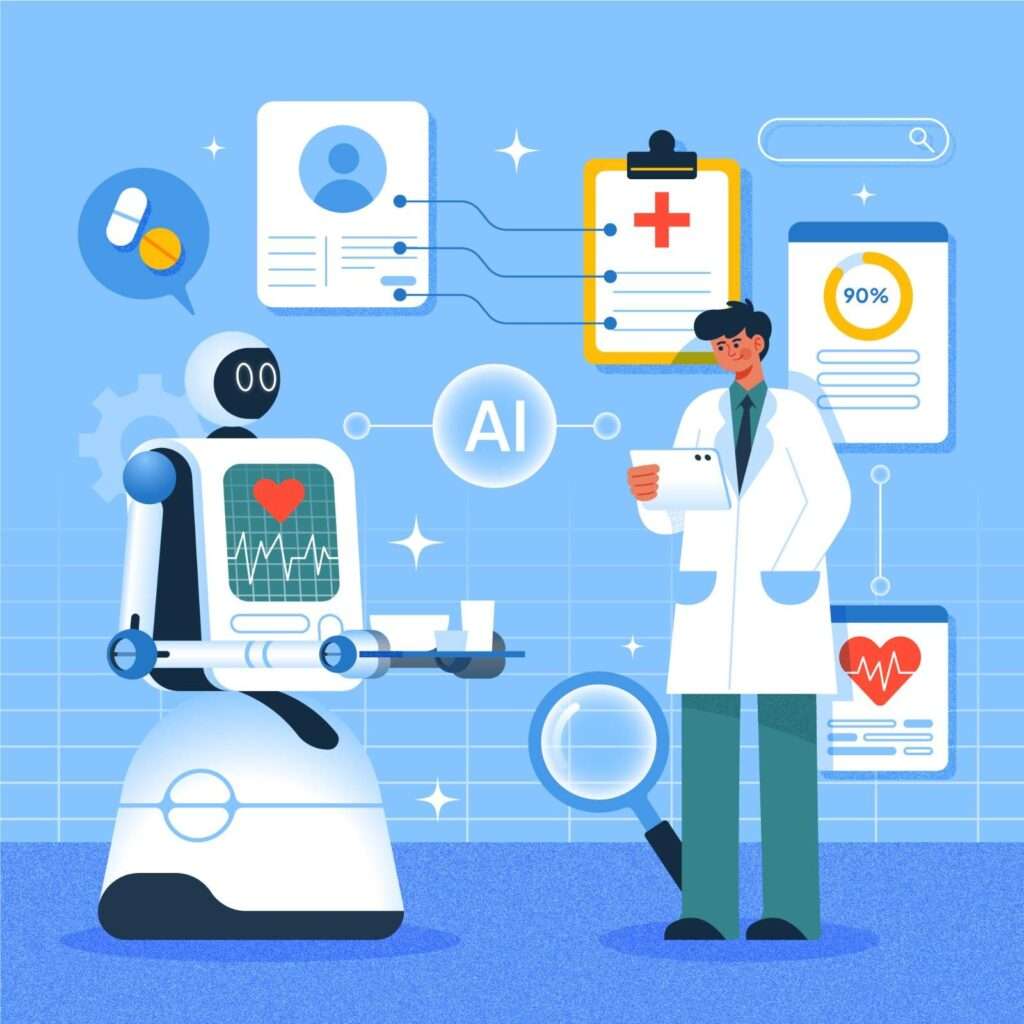
Healthcare generates massive amounts of data every day. Patient records, laboratory results, medical imaging, prescriptions and operational metrics all contribute to valuable insights.
Business Intelligence (BI) and healthcare analytics solutions help hospitals:
Monitor Patient Outcomes
Healthcare analytics allows hospitals to track treatment effectiveness, recovery rates and readmission trends. These insights help clinicians identify successful interventions and improve the quality of patient care.
Track Resource Utilization
Hospitals can monitor the usage of equipment, operating rooms, medications and other resources in real time. This helps reduce waste, improve asset utilization and control operational costs.
Improve Bed Management
Analytics provides visibility into patient admissions, discharges and occupancy rates. Hospitals can use this information to allocate beds more efficiently and reduce wait times for incoming patients.
Optimize Staffing Levels
Data-driven insights help hospitals forecast patient demand and schedule staff accordingly. This ensures adequate coverage during peak periods while preventing overstaffing and unnecessary labor costs.
Support Evidence-Based Clinical Decisions
Analytics platforms consolidate patient data from multiple sources and present actionable insights to clinicians. This enables healthcare professionals to make faster, more informed decisions based on accurate and up-to-date information.
Moving Beyond Records to Predictive Care
The next stage of healthcare digital transformation is predictive care. Predictive analytics uses historical and real-time data to identify patterns and forecast future outcomes.
Hospitals can use predictive models to:
- Identify patients at risk of readmission
- Detect potential disease progression
- Predict emergency department demand
- Optimize treatment plans
- Improve preventive care programs
Rather than reacting to medical conditions after they occur, healthcare providers can intervene earlier and improve patient outcomes.
This shift from reactive care to proactive care represents one of the most significant advancements in modern healthcare.
Cloud, Automation And Integrated Healthcare Systems
Cloud-based healthcare platforms are helping hospitals create scalable and secure digital environments.
Integrated systems enable seamless communication between departments, laboratories, pharmacies, billing systems and patient care teams.
Automation further improves efficiency by reducing repetitive administrative tasks such as:
- Appointment scheduling
- Patient registration
- Claims processing
- Reporting and compliance documentation
As a result, healthcare professionals can spend more time focusing on patient care.
How Technoforte Supports Healthcare Digital Transformation

Successful digital transformation requires more than technology implementation. It requires a strategic approach that aligns technology with healthcare goals.
At Technoforte, we help healthcare organizations navigate this journey through a comprehensive range of services, including digital transformation consulting, business intelligence and analytics, cloud transformation, data integration and modernization, workflow automation and more.
By bringing together healthcare data, advanced analytics, cloud infrastructure and intelligent automation, Technoforte enables hospitals to streamline operations, enhance decision-making and deliver more personalized, efficient patient experiences.
Conclusion
Digital transformation in hospitals has evolved far beyond electronic patient records. Today, healthcare providers are leveraging analytics, automation, cloud technologies and predictive intelligence to improve patient care and operational efficiency.
Organizations that invest in connected healthcare systems gain better visibility, faster decision-making and improved clinical outcomes. With the right technology partner, hospitals can build a strong foundation for sustainable growth, innovation and better healthcare delivery.
Contact Technoforte today to find out how our digital transformation expertise can help your organization improve operational performance and enhance patient experiences.
Email: sanjay@technoforte.co.in