Digital Public Infrastructure (DPI) is becoming a core foundation for modern digital governments and economies. From instant payments to social benefit delivery, DPI enables governments, businesses and citizens to access trusted digital services at population scale.
India has emerged as a major example of population-scale DPI, connecting identity, payments and data systems through interoperable digital rails. Governments across the world are also adopting similar approaches to improve financial inclusion, public service delivery and digital trust.
But what exactly is Digital Public Infrastructure? And how do identity, payments and data exchange work together? This guide explains the key components of DPI and how organizations can build scalable digital public services with technologies such as MOSIP, OpenG2P and OpenCRVS.
What Is Digital Public Infrastructure?
Digital Public Infrastructure is a set of interoperable digital systems that provides foundational capabilities for people, businesses and governments.
The three widely recognized pillars of DPI are:
- Digital identity
- Digital payments
- Trusted data exchange
These foundational systems can then support services such as healthcare, education, social protection, taxation, financial services and government-to-citizen applications.
Unlike a standalone government application, DPI provides reusable digital rails. Multiple services can connect to these rails instead of creating separate identity, payment or data-sharing systems for every program.
DPI vs DPG: What Is the Difference?
The terms DPI and DPG are often used together, but they mean different things.
Digital Public Infrastructure refers to the shared digital systems and foundational infrastructure that support public and private services. Digital Public Goods are open-source software, open data, standards or other openly available digital resources that can help build or operate digital systems.
For example, MOSIP is an open-source digital identity platform that can be used as part of a national digital identity ecosystem. Open-source DPGs can help governments reduce duplication, encourage interoperability and build systems without depending entirely on proprietary technology.
Digital Identity: The Foundation of Trusted Digital Services
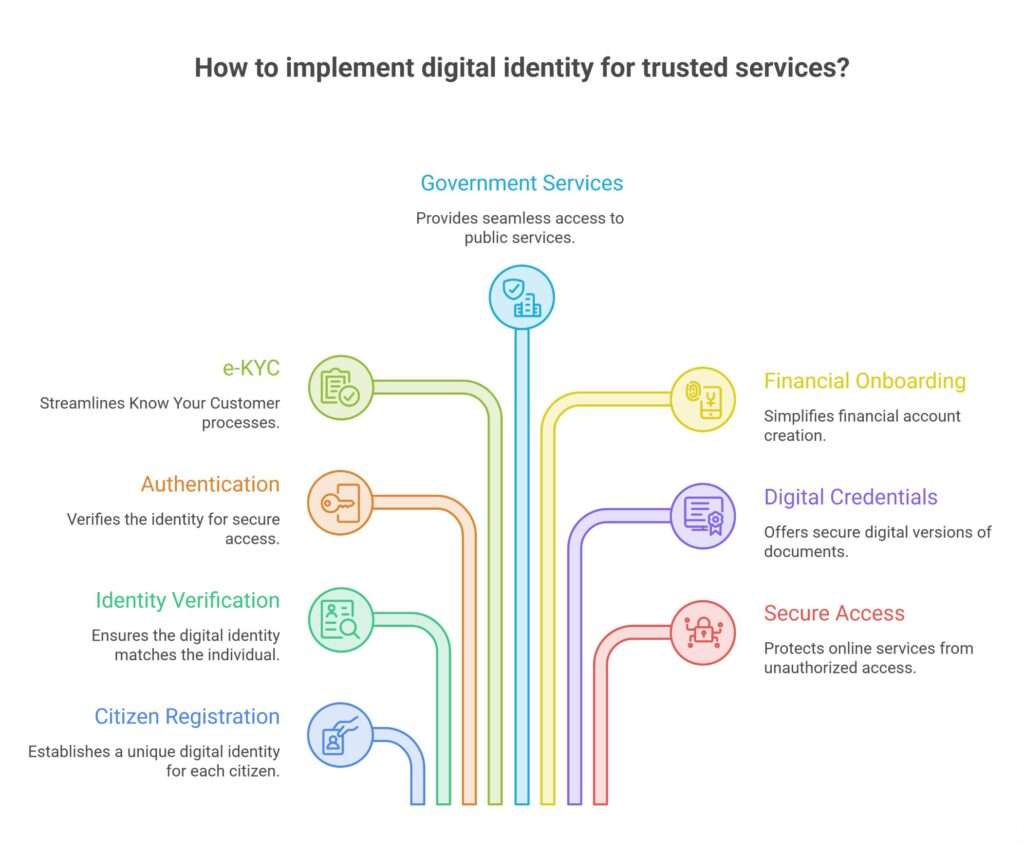
A digital identity allows an individual to prove who they are through a secure digital system.
It can support:
- Citizen registration
- Identity verification
- Authentication
- e-KYC
- Access to government services
- Financial onboarding
- Digital credentials
- Secure access to online services
A strong digital identity system can reduce duplicate records and make it easier for citizens to access multiple services using trusted credentials.
One example is MOSIP, the Modular Open Source Identity Platform. MOSIP provides an open-source and modular foundation for countries building national digital identity systems. Technoforte has been a MOSIP Development Partner since the early stages of the platform and provides implementation, configuration, integration, biometric device support, testing and rollout services.
Digital Payments: Moving Money Through Shared Rails
Digital payments form the second major DPI layer. A digital payment infrastructure allows individuals, businesses and governments to send and receive money electronically.
This can support:
- Government-to-person payments
- Subsidies and welfare benefits
- Tax payments
- Merchant payments
- Financial inclusion
- Remittances
- Public service fees
For example, a social protection program can verify a beneficiary’s identity, determine eligibility and then transfer an approved benefit through an integrated payment system.
OpenG2P is an example of a Digital Public Good supporting government-to-person programs. It can help governments manage beneficiary onboarding, identity verification, eligibility and payment workflows. Technoforte provides OpenG2P customization, system integration, payment integration, testing, deployment and support services.
Data Exchange and Interoperability
Digital identity and payments become far more useful when systems can securely exchange information. Data exchange allows authorized systems to communicate through APIs and interoperable platforms while applying appropriate privacy, security and consent controls.
For example, a government service may need to:
- Verify a person’s identity.
- Check information from an authoritative registry.
- Determine eligibility for a service.
- Process a payment or benefit.
- Update the relevant record.
Without interoperability, every department may maintain separate databases and integrations. This can create duplicate records, manual processes and inconsistent information.
How Identity, Payments and Data Exchange Work Together
Consider a digital welfare program.
Identity → Data → Eligibility → Payment → Service
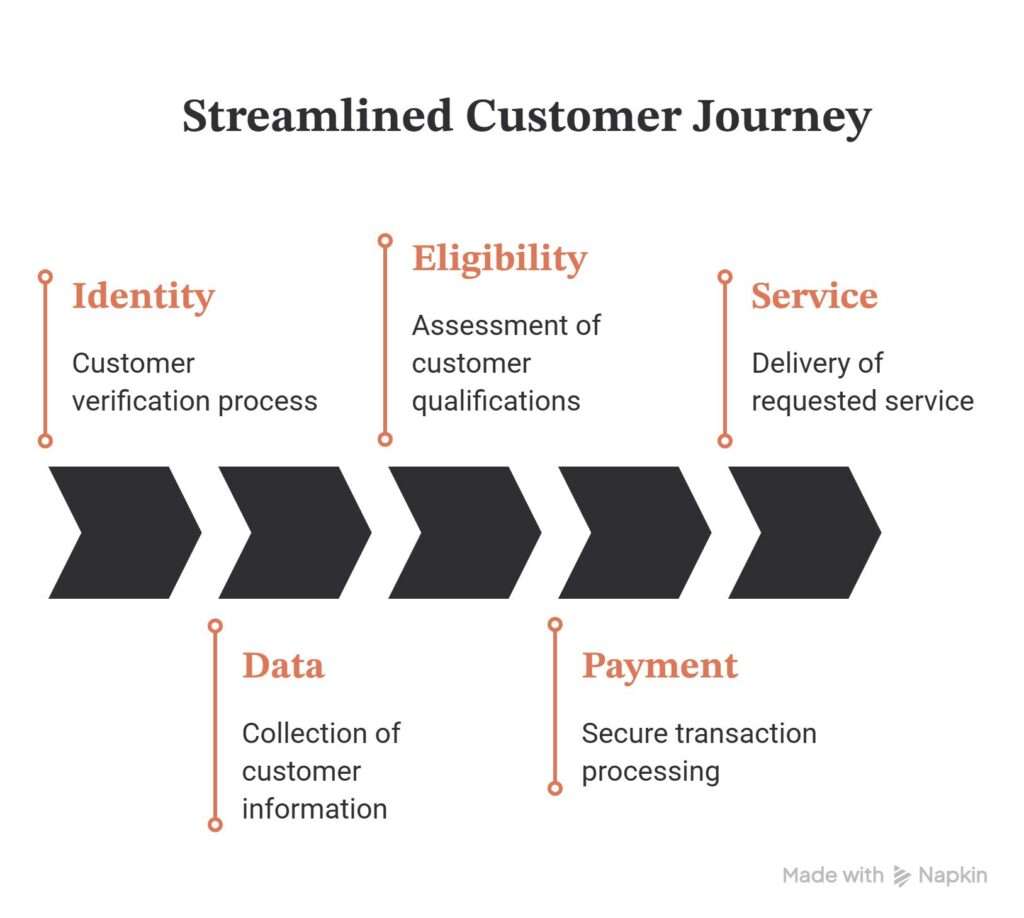
A citizen is registered and authenticated through a digital identity system. Relevant information is verified through trusted data sources. The system determines whether the person qualifies for a benefit. The payment system then transfers the benefit to the eligible recipient. This creates a connected digital service rather than a collection of isolated applications.
The same model can support healthcare, education, agriculture, banking, insurance, taxation and other public services.
The Role of Civil Registration in DPI
Civil registration provides another important source of trusted population information. Systems such as OpenCRVS help governments digitize registration of births, deaths, marriages and other vital events.
When civil registration connects with digital identity infrastructure, governments can create stronger links between life events and identity records.
Technoforte provides OpenCRVS implementation, customization, integration, legacy data migration, testing, training and managed support. Its OpenCRVS services also include integration with MOSIP, biometric systems, e-KYC platforms, government portals, social protection platforms and payment systems.
This type of interoperability can help improve data quality while reducing duplicate records and manual processes.
Why Digital Public Infrastructure Matters
Well-designed DPI can deliver benefits across government, business and society.
For Governments
- Faster digital service delivery
- Better interoperability between departments
- More efficient benefit distribution
- Reduced duplication
- Improved data quality
- Greater transparency
For Citizens
- Easier access to public services
- Faster identity verification
- Digital access to benefits
- More convenient payments
- Fewer repetitive registration processes
For Businesses and Fintechs
- Faster customer onboarding
- Digital KYC
- Trusted identity verification
- Easier integration with public systems
- New services built on shared digital infrastructure
How Technoforte Supports DPI and DPG Implementation
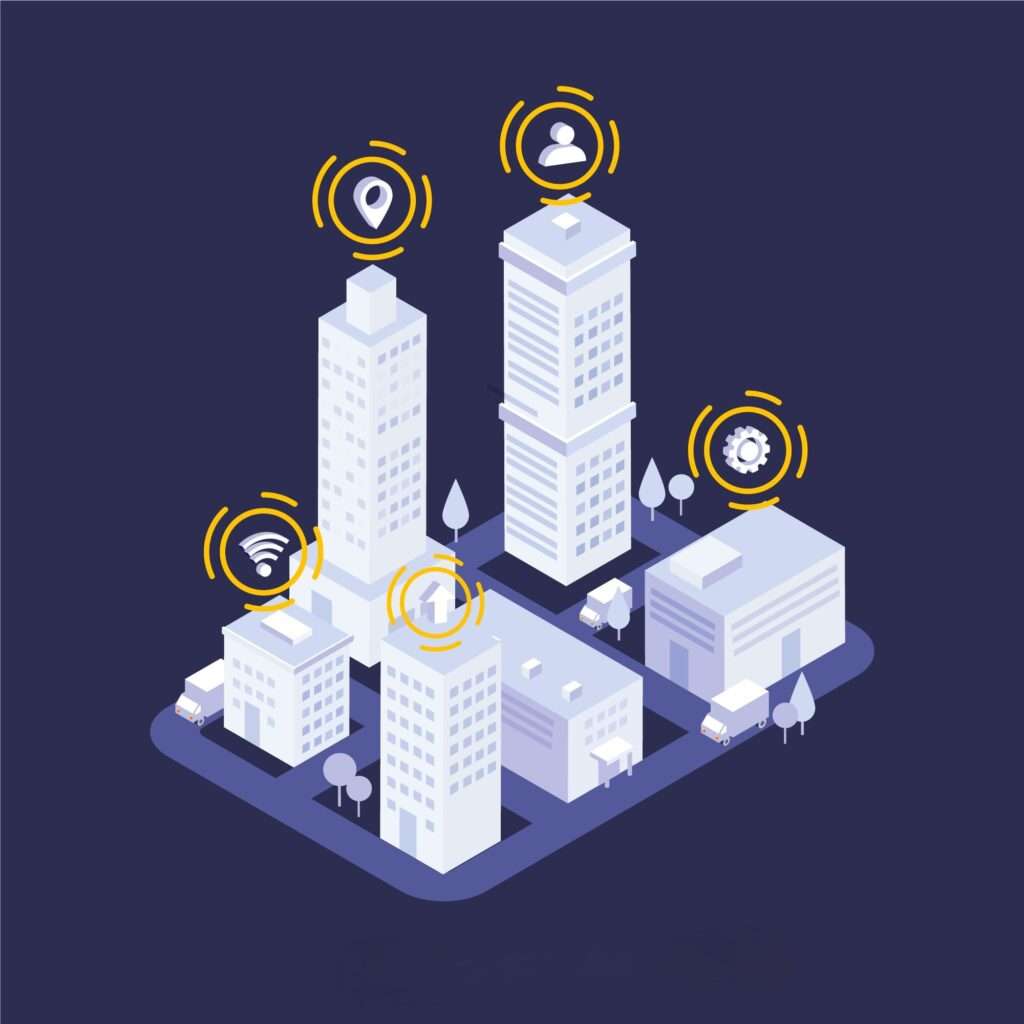
Building DPI requires more than deploying individual software platforms. Identity systems, registries, payment platforms, biometric devices, databases and existing government applications must work together.
At Technoforte, we provides implementation and integration expertise across several DPI and DPG technologies, including MOSIP for digital and national identity, OpenG2P for government-to-person and social benefit delivery, OpenCRVS for modernizing civil registration and Inji for issuing, storing, sharing and verifying digital credentials.
Conclusion
Digital Public Infrastructure provides the digital foundation for modern public services. Digital identity establishes trust, digital payments move value and data exchange connects systems. Together, these capabilities create reusable infrastructure that governments and organizations can build services on at population scale.
Looking to build or modernize your digital public infrastructure? Connect with Technoforte today to explore how our DPI and DPG expertise can help you turn your digital transformation goals into scalable, connected solutions.
Frequently Asked Questions About Digital Public Infrastructure
What is Digital Public Infrastructure?
Digital Public Infrastructure is a set of interoperable digital systems that provide foundational capabilities such as digital identity, payments and secure data exchange.
What are the three pillars of DPI?
The three commonly recognized foundational pillars are digital identity, digital payments and trusted data exchange.
What is the difference between DPI and DPG?
DPI refers to foundational digital infrastructure while DPG refers to open-source software, data, standards and other digital resources that can help build public-interest digital systems.
What is MOSIP in DPI?
MOSIP is an open-source platform that helps countries build scalable national digital identity systems. It can support identity registration, authentication and related identity services.
How does OpenG2P support DPI?
OpenG2P supports government-to-person programs by helping manage beneficiary onboarding, identity verification, eligibility and benefit delivery.