The automotive landscape is quite hyper-connected today, and supply chains are no longer just about parts and trucks. Automotive companies juggle thousands of components, suppliers, production plants, and logistics partners every day. Yet, with legacy systems still prevalent, decision-makers often rely on outdated information, leading to inefficiencies, delays, and higher operational costs.
This is where cloud transformation becomes a game changer. By unifying systems and data in a scalable, accessible platform, cloud technologies provide real-time visibility across the entire supply chain, from Tier 3 suppliers to finished vehicles rolling off the line.
According to studies, automotive supply chain spending is projected to reach $1.5 trillion by 2028. This signals massive investment in technologies and processes that can unlock efficiency and resilience. In this blog, we will explore how cloud technology is reshaping automotive supply chains and driving faster decision-making across the entire network.
Table of Contents
ToggleWhat is Cloud Transformation in Automotive Supply Chains?
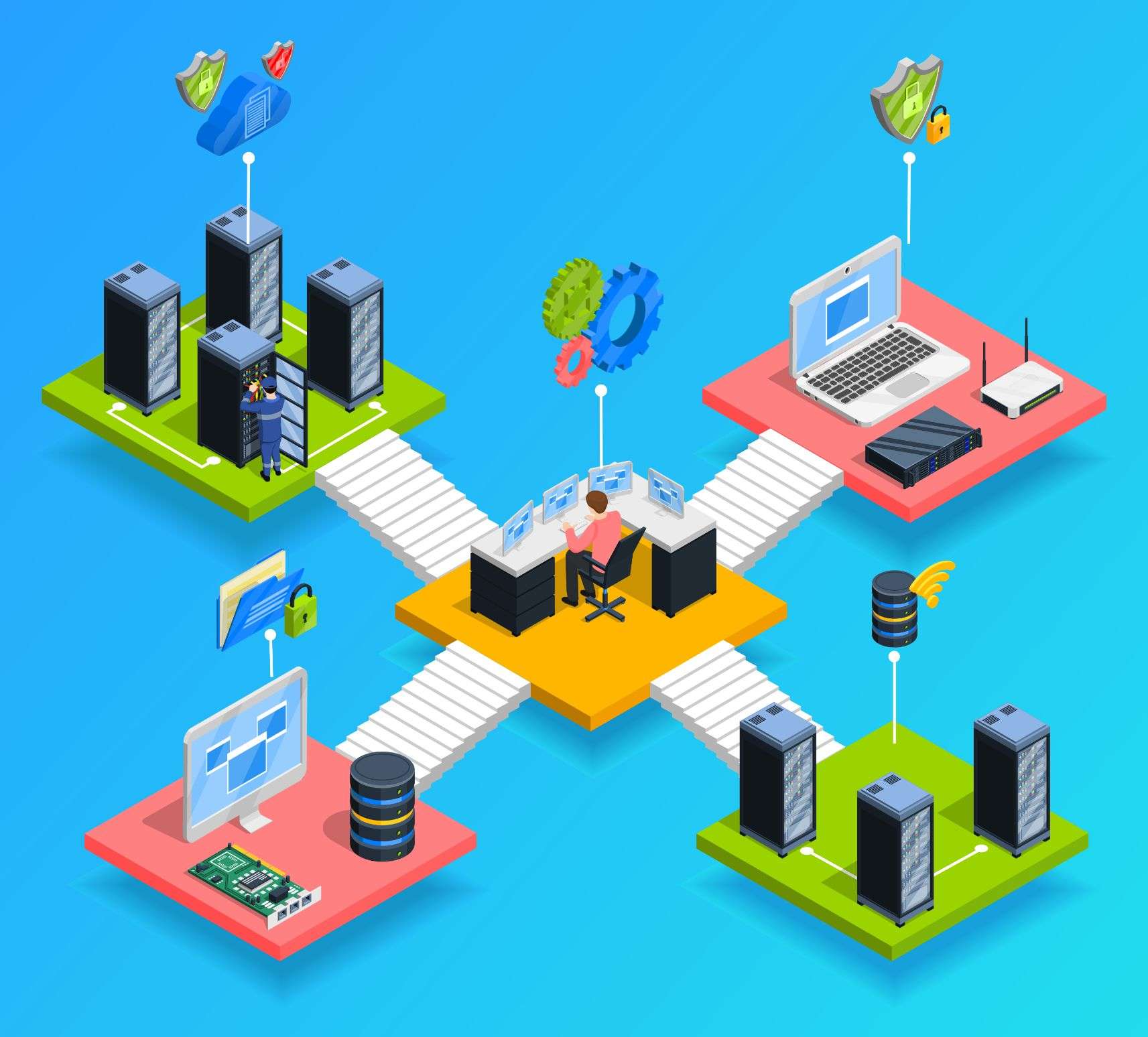
Cloud transformation means moving supply chain systems, data and applications from on premise infrastructure to secure cloud platforms. Instead of running isolated ERP, warehouse or logistics tools in different locations, cloud systems connect them through a shared environment.
This provides:
- Real time data access across supply chain networks
- Faster system deployment and updates
- Better collaboration between suppliers and manufacturers
- Lower infrastructure costs
- High scalability during demand fluctuations
Why Automotive Supply Chains Need Cloud Transformation
Automotive supply chains are among the most complex in the world. A single vehicle can require over 30,000 individual parts, sourced from hundreds of suppliers across multiple tiers and countries. Coordinating procurement, production schedules, logistics and inventory at this scale demands constant data exchange and precise timing.
However, many automotive companies still rely on legacy systems that were never designed to manage today’s global, high-velocity operations.
As a result, companies often face several persistent challenges:
- Poor visibility across Tier 1, Tier 2 and Tier 3 suppliers
- Delays in inventory tracking and shipment updates
- Slow response times during disruptions or demand shifts
- Limited collaboration between manufacturers, suppliers and logistics partners
- High infrastructure and ongoing maintenance costs
Cloud platforms address these issues by creating a unified, connected ecosystem where manufacturers, suppliers and logistics providers operate from a single source of real-time data.
Key Benefits of Cloud Based Automotive Supply Chains
Real Time Supply Chain Visibility
Cloud platforms collect and process data from suppliers, factories, warehouses and transport systems. With it, one can track:
- Inventory levels across plants
- Shipment status and delays
- Production schedules
- Supplier performance
Teams make faster decisions because everyone works with the same data.
Faster Planning and Demand Forecasting
Cloud systems integrate analytics tools that analyze demand patterns and production capacity. It helps to:
- Predict demand changes earlier
- Adjust production schedules quickly
- Prevent stock shortages
According to research, companies using AI driven supply chain forecasting improve demand accuracy by 20 to 50%.
Better Collaboration Across Suppliers
Automotive manufacturing depends heavily on supplier networks. Cloud platforms create shared digital workspaces where partners exchange information instantly.
Examples include:
- Supplier order updates
- Inventory synchronization
- Quality issue alerts
- Production planning data
This reduces communication delays and improves coordination.
Faster System Deployment
Traditional supply chain systems require months of setup. Cloud platforms reduce deployment time significantly. It can help in launching warehouse systems, analytics platforms, supplier portals and logistics dashboards within weeks instead of months.
Lower Infrastructure Costs
Cloud systems reduce the need for expensive data centers and ongoing IT maintenance. Instead of purchasing and managing physical hardware, organizations operate on a usage-based model. This shift enables supply chain teams to allocate more resources toward analytics, automation, and strategic innovation rather than infrastructure upkeep.
Technologies Driving Cloud Transformation in Automotive Supply Chains
Several advanced technologies are accelerating cloud adoption across automotive manufacturing and supply chain operations. Together, they enable smarter decision-making, improved visibility and greater operational efficiency.
AI and Predictive Analytics
Artificial intelligence (AI) processes vast supply chain datasets to identify patterns in demand fluctuations, production cycles and logistics movements. By leveraging predictive analytics, automotive companies can detect potential risks early, forecast disruptions and optimize inventory levels with greater accuracy.
Internet of Things (IoT)
IoT sensors collect real-time data from vehicles, warehouses, transport fleets and production lines. This continuous stream of information is transmitted directly to cloud platforms, where it is monitored and analyzed to enhance operational visibility and performance tracking across the supply chain.
Digital Twin Technology
Digital twin technology creates a virtual replica of supply chain operations within a cloud environment. This allows manufacturers to simulate and evaluate different scenarios before implementing real-world decisions.
For example, organizations can assess the impact of:
- Supplier delays
- Logistics disruptions
- Production bottlenecks
By testing these variables in a digital environment, companies reduce risk and improve response strategies.
Advanced Warehouse Systems
Cloud-based warehouse management systems (WMS) improve inventory accuracy, streamline order fulfillment and enhance distribution efficiency. Solutions such as PALMS™ WMS enable organizations to manage warehouse operations, track inventory in real time and optimize overall distribution processes within a centralized cloud platform.
How to Implement Cloud Transformation in Automotive Supply Chains
A structured and phased approach ensures minimal disruption while maximizing long-term value across the supply chain. Follow these steps to implement a cloud strategy successfully.
Step 1. Assess Your Current Supply Chain Systems
Many automotive organizations still rely on legacy systems that operate in silos and limit real-time visibility.
Common systems that require assessment include:
- Enterprise Resource Planning (ERP) platforms
- Warehouse Management Systems (WMS)
- Supplier portals
- Logistics and transportation management platforms
Understanding system dependencies, data flows and performance gaps helps define the migration roadmap.
Step 2. Define Transformation Goals
Before moving to the cloud, organizations must establish measurable objectives aligned with business priorities. Without clearly defined outcomes, cloud adoption risks becoming a technology upgrade rather than a strategic transformation.
Typical goals include:
- Improving end-to-end supply chain visibility
- Reducing inventory and operational costs
- Enhancing collaboration across supplier networks
- Increasing agility in responding to disruptions
Clear KPIs ensure that progress can be tracked throughout the transformation process.
Step 3. Choose the Right Cloud Platform
Selecting the appropriate cloud model is a critical decision. Organizations must evaluate whether a public, private or hybrid cloud environment best supports their operational, security and compliance requirements.
Leading platforms such as Microsoft Azure and Amazon Web Services (AWS) offer scalable infrastructure, advanced analytics capabilities and supply chain–specific solutions that support global manufacturing networks.
Step 4. Integrate Supply Chain Systems
Cloud transformation delivers maximum value when systems are fully integrated. Using APIs and cloud integration tools, organizations can connect supply chain applications to enable seamless data exchange across departments and partners.
Integration typically includes connecting:
- ERP systems
- Manufacturing execution systems
- Warehouse platforms
- Logistics and transportation systems
This unified architecture eliminates data silos and establishes a single source of truth across the supply chain.
Step 5. Enable Data Analytics and Automation
Once systems are migrated and integrated, organizations can utilize advanced analytics, automation and predictive tools. Cloud-based intelligence enhances demand forecasting, inventory optimization, production planning, and disruption management.
At this stage, the supply chain evolves from reactive operations to proactive, data-driven decision-making.
How Technoforte Supports Cloud Transformation
Cloud transformation becomes significantly more efficient and less disruptive when organizations collaborate with experienced technology partners. With the right guidance, automotive companies can accelerate migration timelines while ensuring system stability and long-term scalability.
At Technoforte, we support this journey by delivering comprehensive digital transformation and IT services customized to modern supply chain needs. Our offerings include managed IT services, cloud migration and optimization warehouse and logistics platforms and end-to-end digital integration services that help create a fully connected operational ecosystem. Get in touch today to explore how cloud transformation can unlock efficiency, visibility and long-term growth for your operations.
FAQs
What is cloud transformation in automotive supply chains?
Cloud transformation moves supply chain systems and data to cloud platforms. This improves visibility, collaboration and planning across manufacturing networks.
Why do automotive companies move supply chains to the cloud?
Companies move to cloud platforms to reduce infrastructure costs, improve data access and respond faster to supply chain disruptions.
How long does cloud transformation take?
Most automotive cloud projects take 6 to 18 months depending on system complexity, integration requirements and data migration needs.
What are the risks of cloud migration in supply chains?
Common risks include data migration issues, system integration challenges and security concerns. These risks reduce significantly when companies use experienced cloud partners.
How does cloud technology improve supplier collaboration?
Cloud platforms allow suppliers, manufacturers and logistics providers to access shared data in real time. This improves order tracking, inventory updates and production planning.