A website is often the first point of contact between a business and a potential customer. However, attracting visitors is only half the job. Converting those visitors into qualified leads requires timely communication, relevant information and a clear path to the next step.
Traditional website contact forms and email enquiries often create delays. This is where AI chatbots for lead generation are changing how businesses engage with potential customers. AI chatbots use artificial intelligence, natural language processing (NLP) and machine learning to interact with website visitors, answer questions and collect relevant information.
For businesses looking to improve website lead generation, automate customer interactions and increase conversion rates, AI chatbots offer a practical solution. In this blog, we look into the ways AI chatbots transform website lead generation and improve customer engagement for businesses.
What Are AI Chatbots for Website Lead Generation?
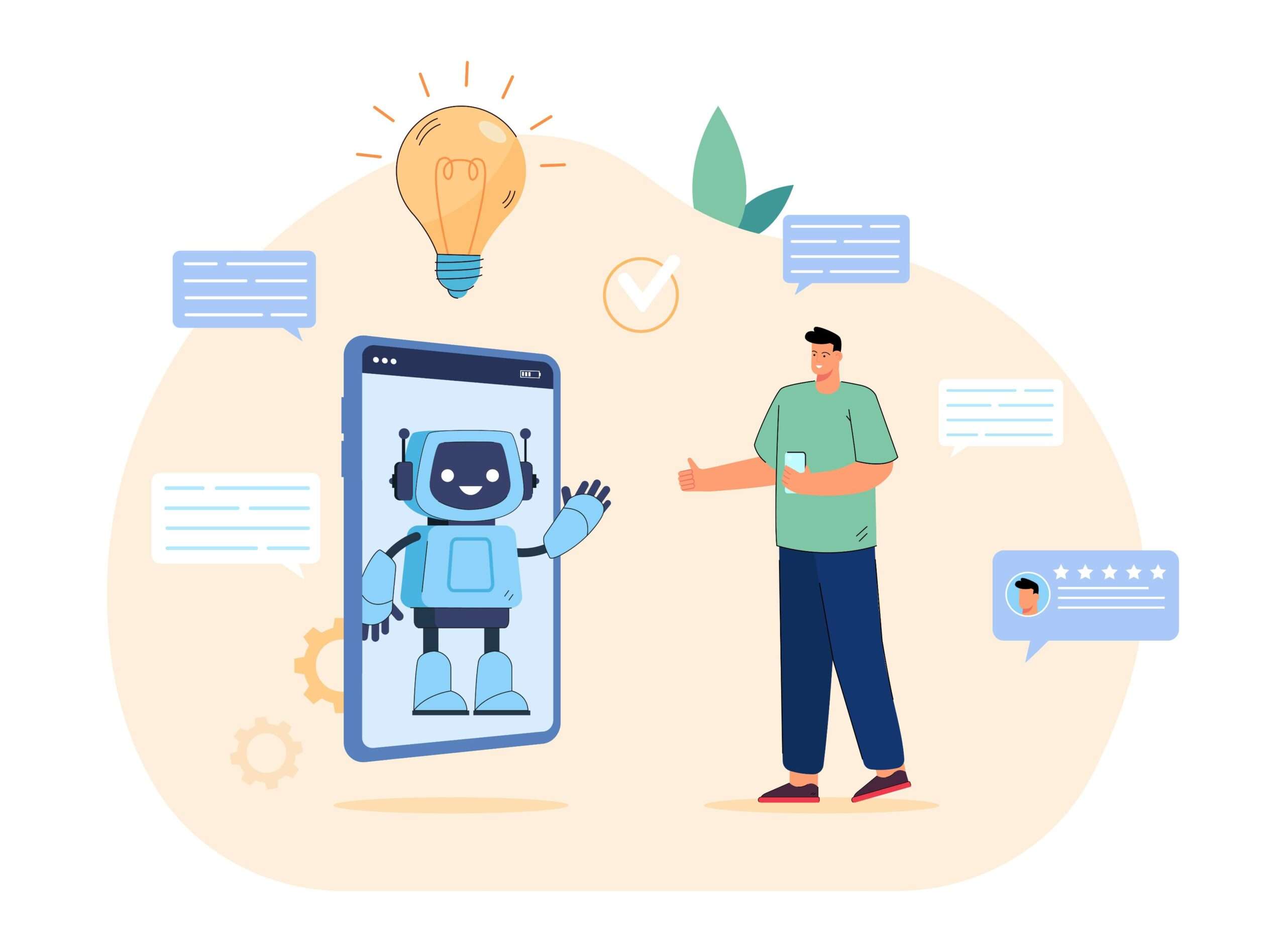
AI chatbots are software applications that use artificial intelligence to communicate with users through text or voice conversations. When integrated into a business website, they can interact with visitors, answer product-related questions, recommend services and identify potential sales opportunities.
An AI chatbot for website lead generation goes beyond answering frequently asked questions. It can qualify prospects by asking about their business requirements, budget, industry, project scope and purchase timeline.
For example, a visitor exploring an IT services website might ask about software development costs. The chatbot can explain the available services, ask about the visitor’s project requirements and collect contact information for a follow-up from the sales team.
7 Ways AI Chatbots Are Transforming Website Lead Generation
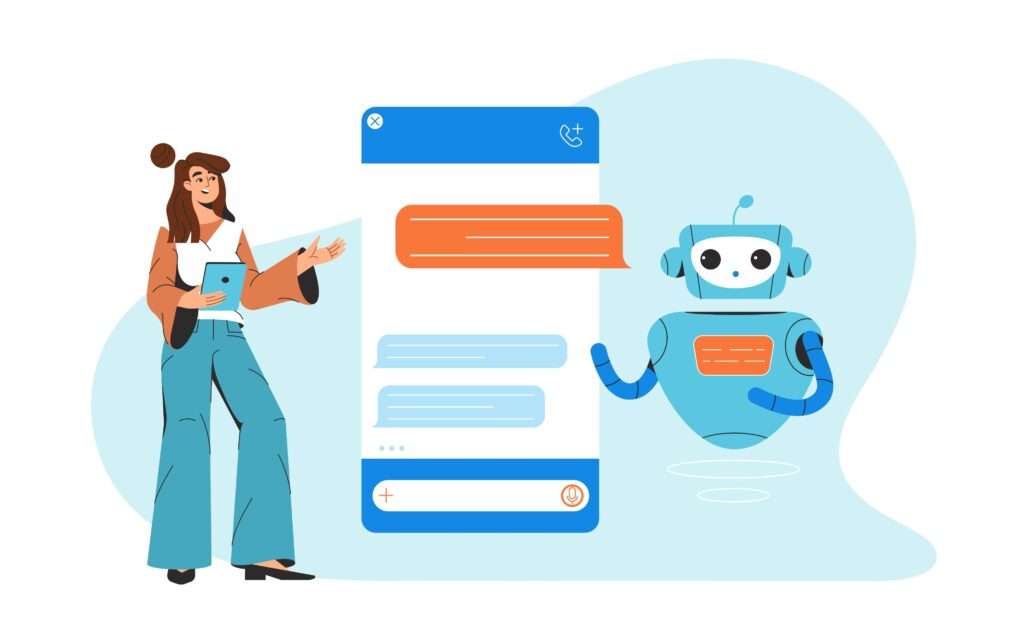
1. Capturing Website Leads 24/7
Potential customers can visit a business website at any time. However, sales teams may not always be available to respond immediately. An AI chatbot provides round-the-clock engagement. It can greet visitors, answer initial questions and collect their contact information even outside business hours.
For example, an international visitor exploring an IT company’s services may submit an enquiry late at night. Instead of waiting for business hours, the chatbot can capture the visitor’s name, email address, company details and service requirements.
This ensures that businesses have an opportunity to capture leads from different time zones without requiring a team to remain available around the clock.
2. Qualifying Leads Through Intelligent Conversations
Not every website visitor is ready to become a customer. Some are researching solutions while others have specific purchasing requirements. AI chatbots help businesses identify high-quality prospects through automated lead qualification.
A chatbot can ask relevant questions such as:
- What type of service or product are you looking for?
- What is your approximate project budget?
- When are you planning to implement the solution?
- Which industry does your business operate in?
- Would you like to schedule a consultation?
Based on the responses, the chatbot can identify the visitor’s requirements and assign a lead category. This helps sales teams prioritise qualified leads instead of spending time on enquiries with limited potential.
3. Providing Instant Responses to Customer Queries
Response time plays an important role in website lead generation. Visitors who cannot find the information they need may leave and explore a competitor’s website.
AI-powered customer service chatbots can answer common questions instantly. They can provide information about pricing, product features, service offerings, implementation timelines and other business-related queries.
For businesses with extensive product or service information, AI chatbots can help visitors find relevant answers without searching through multiple website pages.
4. Personalising Customer Engagement
Different website visitors have different requirements. A manufacturing company looking for automation services has different expectations from a startup searching for custom software development. AI chatbots can use conversational context and available customer information to provide more relevant responses.
For example:
- A manufacturing visitor can receive information about industrial automation and digital transformation.
- A logistics company can explore warehouse management and supply chain solutions.
- A banking organisation can enquire about software development, data analytics and IT consulting services.
Personalised conversations help visitors find relevant information faster. They also create opportunities for businesses to recommend suitable products and services based on customer needs.
5. Automating Lead Collection and CRM Integration
Collecting customer information is one of the most important parts of the lead generation process. However, manually transferring enquiries from website forms into a CRM system can consume valuable time.
AI chatbots can automate this process by collecting visitor details and connecting with customer relationship management (CRM) platforms.
This allows sales teams to:
- Store lead information in a centralised system.
- Track customer conversations and enquiries.
- Assign leads to the appropriate sales representatives.
- Monitor lead status and follow-up activities.
- Reduce manual data entry.
With automated lead management, businesses can maintain a more organised sales pipeline and reduce the chances of missing potential opportunities.
6. Recommending Products and Services
Visitors may know they have a problem but may not know which product or service can solve it. AI chatbots can guide them through available options by asking relevant questions and recommending suitable solutions.
For example, a visitor on a software development company’s website may be unsure whether they need custom software development, product engineering or IT outsourcing. The chatbot can ask about the business objective, technical requirements and expected outcomes before suggesting the most relevant service.
This makes the website experience more interactive and helps businesses connect customer requirements with their offerings.
7. Analysing Conversations to Improve Marketing Strategies
Every chatbot interaction can provide useful information about customer behaviour and buying intent.
Businesses can analyse chatbot conversations to identify:
- Frequently asked customer questions.
- Popular products and services.
- Common customer challenges.
- Reasons visitors hesitate before enquiring.
- Pages and services generating the most interest.
- Questions that frequently lead to sales enquiries.
These insights can help marketing teams improve website content, landing pages and lead generation campaigns.
AI Chatbots vs Traditional Website Chatbots
Although traditional chatbots and AI chatbots serve a similar purpose, their capabilities differ.
| Feature | Traditional Chatbots | AI Chatbots |
| Response mechanism | Predefined rules | AI-driven responses |
| Query handling | Fixed questions | Natural language queries |
| Personalisation | Limited | Context-based |
| Lead qualification | Basic forms | Conversational qualification |
| Customer support | Script-based | Context-aware assistance |
| Learning capabilities | Manual updates | Can improve through configured AI models |
| CRM integration | Depends on development | Supported through integrations |
| Complex queries | Limited | Better suited to contextual queries |
Traditional chatbots are useful for simple interactions. However, AI-powered chatbots offer greater flexibility for businesses handling varied customer enquiries.
Key Industries Benefiting from AI Chatbots for Lead Generation
AI chatbot technology can support lead generation across industries where customers need information before making a purchasing decision.
- IT and Software Development: Software companies can use AI chatbots to capture project enquiries, understand technical requirements and connect prospects with sales consultants.
- Manufacturing: Manufacturers can help visitors find product specifications, request quotations and connect with sales representatives.
- Banking and Financial Services: Financial institutions can use chatbots to answer general service questions, guide website visitors and capture enquiries while following applicable data protection and security requirements.
- Retail and E-commerce: AI chatbots can recommend products, answer questions about availability and delivery and help customers with purchasing decisions.
- Logistics and Supply Chain: Logistics companies can provide information about services, shipment enquiries, warehouse solutions and business requirements through automated conversations.
How to Implement an AI Chatbot for Better Website Lead Generation
Implementing an AI chatbot requires more than adding a chat window to a website. Businesses should focus on how the chatbot supports their sales and customer engagement processes.
Here are five important steps:
- Define clear objectives: Identify whether the primary goal is lead generation, customer support, product recommendations or appointment scheduling.
- Train the chatbot with relevant information: Provide accurate website content, product documentation, service details and frequently asked questions. Review the responses regularly to maintain accuracy.
- Create a lead qualification process: Identify the information sales teams need from potential customers and build relevant conversational questions.
- Integrate business systems: Connect the chatbot with CRM platforms, marketing automation tools and other business applications where required.
- Monitor performance: Track conversations, qualified leads, conversion rates, response accuracy and customer satisfaction to identify areas for improvement.
Businesses should also provide a clear option to connect with a human representative when a question requires personal assistance or specialist knowledge.
How Technoforte Helps Businesses Improve Digital Customer Engagement
At Technoforte, we help businesses adopt technology that improves customer engagement, operational efficiency and digital experiences. Our AI and digital transformation capabilities support organisations looking to automate business interactions and improve the way they engage with customers.
With solutions such as DRSHTI AI, businesses can explore AI-powered website experiences that help visitors access relevant information and interact more effectively with digital platforms. Our approach focuses on understanding business requirements, identifying suitable AI applications and integrating technology with existing systems.
Frequently Asked Questions (FAQs)
How do AI chatbots generate leads on websites?
AI chatbots generate leads by interacting with website visitors, answering their questions, identifying their requirements and collecting contact information. They can also qualify prospects and transfer relevant enquiries to sales teams.
Can AI chatbots increase website conversion rates?
Yes. AI chatbots can support higher website conversion rates by providing instant responses, guiding visitors to relevant information and reducing friction in the enquiry process. Actual results depend on chatbot quality, website traffic and the effectiveness of the sales process.
What is the difference between an AI chatbot and a traditional chatbot?
Traditional chatbots follow predefined rules and scripts. AI chatbots use technologies such as natural language processing and machine learning to interpret queries, understand context and generate more flexible responses.
Can AI chatbots integrate with CRM software?
Yes. AI chatbots can integrate with CRM platforms such as Salesforce, HubSpot and Zoho CRM through APIs or supported integrations. This helps businesses transfer customer information, manage leads and organise follow-up activities.
How can businesses measure AI chatbot performance?
Businesses can monitor chatbot engagement, conversations completed, leads captured, qualified leads, visitor-to-lead conversion rate, response accuracy and customer satisfaction. These metrics help evaluate the chatbot’s contribution to website lead generation.
Final Thoughts
AI chatbots are changing how businesses attract, engage and convert website visitors. From 24/7 customer interaction and automated lead qualification to CRM integration and personalised recommendations, they can improve several stages of the lead generation process.
However, successful implementation depends on more than the technology itself. Businesses need accurate information, relevant conversations, effective integrations and a clear process for converting enquiries into customers. As organisations continue to invest in AI-powered customer engagement, website chatbots will play an increasingly important role in digital marketing and lead generation.
Looking to improve website lead generation with AI? Contact us today to explore how Technoforte can help your business adopt AI-powered solutions and create more effective digital customer experiences.